Hong Kong Through Young Eyes: A City of Motion and Meaning
In the shadow of skyscrapers and mountains, Hong Kong lives with a kind of rhythm that doesn’t stop. It’s not just a place, but an experience — charged, layered, alive. Its streets hum with multilingual chatter, from rapid-fire Cantonese to bursts of English and Mandarin. Trams slide past glass towers, incense drifts from hidden temples, and neon signs flicker like digital poetry above dai pai dongs still serving milk tea and pineapple buns. This is a city caught between times, between systems, between definitions — but it never stops being itself.
Culture / Yuni Chen / July 2, 2025




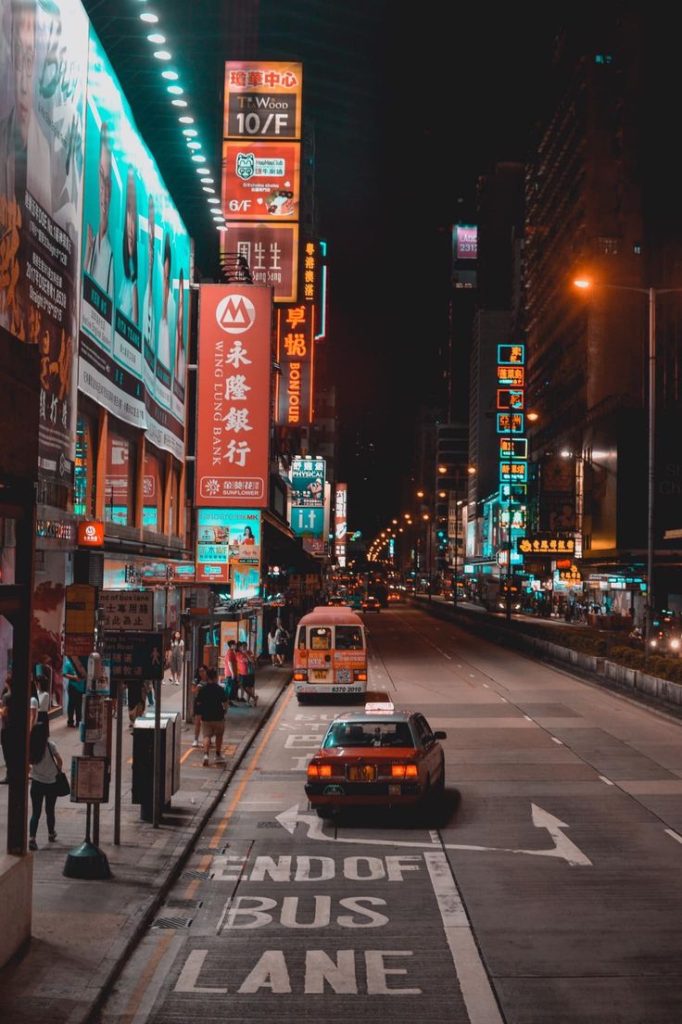
A Past That Shapes the Present
Underneath its famous skyline lies a narrative woven from generations of migration, trade, and resistance. Once a small fishing port on the southern coast of China, it transformed under British colonial rule into a booming entrepôt. That colonial chapter ended in 1997 with the handover to China, under the « One Country, Two Systems » principle — a political promise that has become both a framework and a fault line. The result is a civic environment charged with complexity. Rules shift, identities stretch, and young people navigate a space where personal expression, digital activism, and local pride intersect.
Generation in Transition
Among the millions who live within its compressed geography is a generation raised on dim sum Sundays and WhatsApp news alerts. They study international finance and ancient poetry, speak fluently across three languages, and wrestle daily with issues of space, opportunity, and voice. While towering financial institutions dominate Central and gleaming shopping arcades pack Causeway Bay, beyond the surface lies a restless search for meaning — one that spills into art galleries in industrial buildings, graffiti walls in Mong Kok, and zines passed quietly in university canteens.
Economy of Hustle and High Cost
This energy is shaped by a duality: a city that thrives on structure, efficiency, and tradition, yet constantly reimagines itself. The local economy continues to lean heavily on financial services, real estate, and tourism, making it one of the richest regions per capita in Asia. But wealth doesn’t reach everyone equally. Rising housing prices, shrinking living space, and job market pressures challenge the younger generation’s dreams. Still, ambition persists — found in the buzzing startup scene in Cyberport, in sustainable fashion labels cropping up in Sham Shui Po, and in late-night side hustles born of creative necessity.
Politics in Every Pause
Politics are not distant here. They arrive in the form of public debates, university forums, street marches, and sometimes in silences. Young voices have been at the forefront of recent social movements, demanding participation and transparency while negotiating the boundaries of what can safely be said. Expression has become more cautious in recent years, but not absent. It exists in metaphor, in art, in fashion, and in carefully chosen words. To grow up here is to know how to read between the lines.
Nature as Balance
Despite the pace, nature is never far. The territory is nearly 70% green space, and it’s common for city dwellers to escape to hiking trails, hidden beaches, and sleepy outlying islands on weekends. These pockets of quiet offer a contrast to the urban rhythm — a necessary pause.
Heritage in Daily Life
The soul of the city isn’t only in monuments or government buildings, but in its ability to stay in motion without losing sight of its past. Lion dances on Lunar New Year, student film festivals, old ladies exercising in Victoria Park at dawn, indie musicians performing on rooftop cafes — all part of the same, multifaceted identity. The city celebrates without forgetting, pushes forward while holding onto rituals, speaks many languages while forming its own.
Traveler’s Guide: Hong Kong Beyond the Brochures
Start with the Neighborhoods
Central & Sheung Wan: Walk through colonial-era buildings turned art spaces, stop at PMQ for local designer goods, or have coffee in a refurbished tong lau (tenement building); Mong Kok: Lose yourself in its night markets, sneaker streets, and overwhelming street food options; Sham Shui Po: Raw, gritty, and creative — perfect for tech bargain hunts, indie cafés, and upcycled fashion boutiques.
Views Worth Climbing For
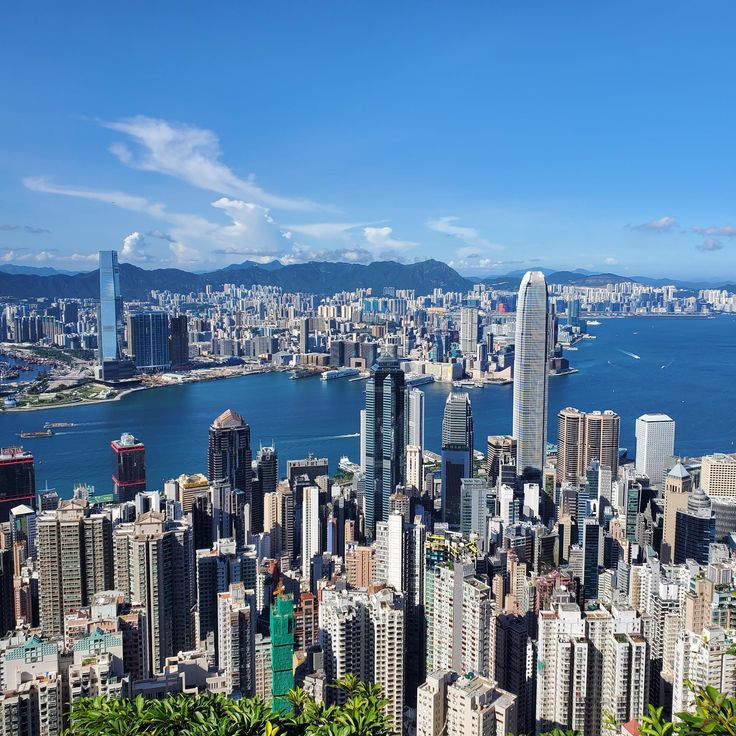
The Peak: The classic skyline view. Go at golden hour for the full glow; Lion Rock: More demanding, but symbolically important — a favorite for local hikers and photographers alike.
Local Eats to Try
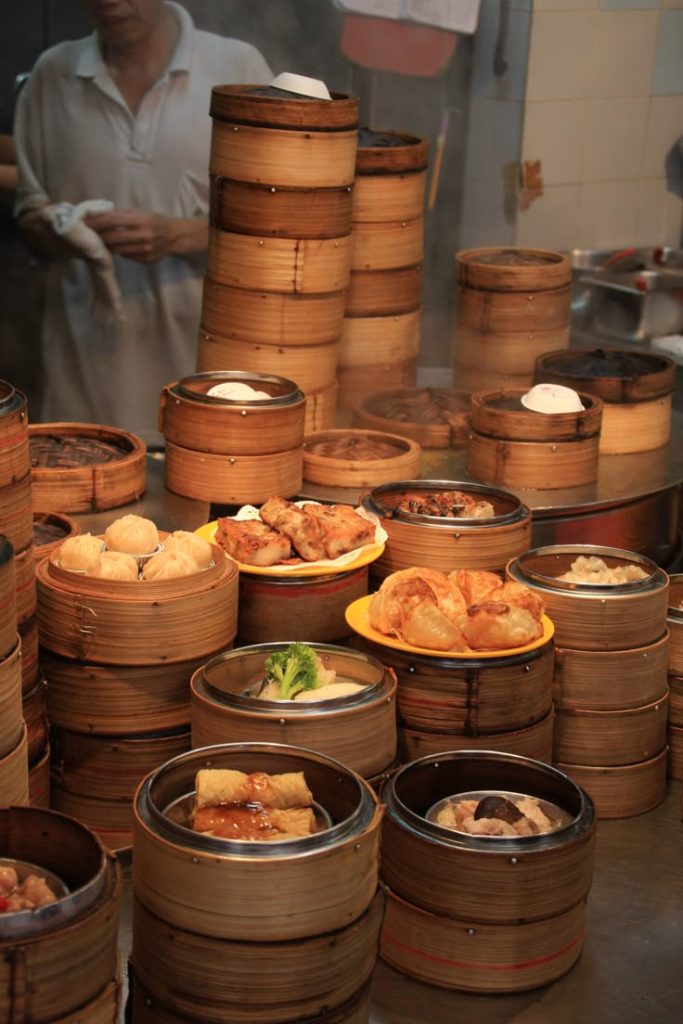
Dim Sum: Try Tim Ho Wan or Lin Heung Tea House; Street Snacks: Fish balls, egg waffles, and curry puffs from stalls in Tsim Sha Tsui or Mong Kok; Modern Fusion: Head to Sai Ying Pun or Kennedy Town for cafés blending Cantonese and Western flavors.
Cultural Touchpoints
Tai Kwun: Former colonial prison turned heritage and arts center; Hong Kong Museum of History: A deep dive into the city’s roots; Yau Ma Tei Theatre: Catch a Cantonese opera performance if you can.
Get Out of Town
Lamma Island: Laid-back beaches, seafood restaurants, and peaceful walks; Tai O Village: Stilt houses, shrimp paste, and pink dolphin boat tours; Sai Kung: Great for junk boat parties, seafood, or kayaking through sea caves.
Stay Connected
Octopus Card for transit and quick payments.
MTR is your best friend — clean, fast, and easy to navigate.
Bring an umbrella — sun or sudden rain, you’ll need it.
All images copyrighted by the author.