The Enduring Allure of Pokémon: Why the Franchise Continues to Thrive
Since its debut in 1996, Pokémon has transformed from a handheld game to a sprawling multimedia empire. While generations have come and gone, the franchise’s appeal has remained remarkably consistent. From core series games and trading cards to anime, movies, merchandise, and mobile apps, Pokémon has embedded itself into popular culture in ways few other franchises ever have.
This article explores the many dimensions of Pokémon’s success — its storytelling, game design, cultural impact, and adaptability — and explains why, nearly three decades later, the world is still captivated by the idea of catching them all.
Culture / Yuni Chen / April 25, 2025
A World Worth Exploring
One of the foundational reasons Pokémon continues to thrive is its world-building. From the forests of Kanto to the mountains of Sinnoh and the coasts of Paldea, each new region brings an exciting ecosystem full of creatures to discover, trainers to meet, and mysteries to unravel. The games allow players to step into a world where curiosity is rewarded, exploration is limitless, and adventure is always just around the corner. Whether you’re playing your first Pokémon game or your fifteenth, the sense of wonder remains intact.
Moreover, Pokémon has mastered the balance between simplicity and complexity. On the surface, it’s a turn-based RPG with easy-to-understand mechanics: catch Pokémon, train them, and battle others. But beneath that lies a deep, strategic layer involving type matchups, move sets, stat optimization, breeding, and team building. This dual structure makes Pokémon accessible to casual players while offering nearly limitless depth to competitive enthusiasts.
Constant Reinvention and Storytelling
Few franchises reinvent themselves as successfully as Pokémon. Each generation introduces new features — abilities, mega evolutions, regional variants, open-world elements — while maintaining core mechanics that fans know and love. Games like Legends: Arceus and Scarlet and Violet push the boundaries of traditional gameplay with new formats and innovations, keeping the franchise feeling fresh and dynamic without alienating longtime players.
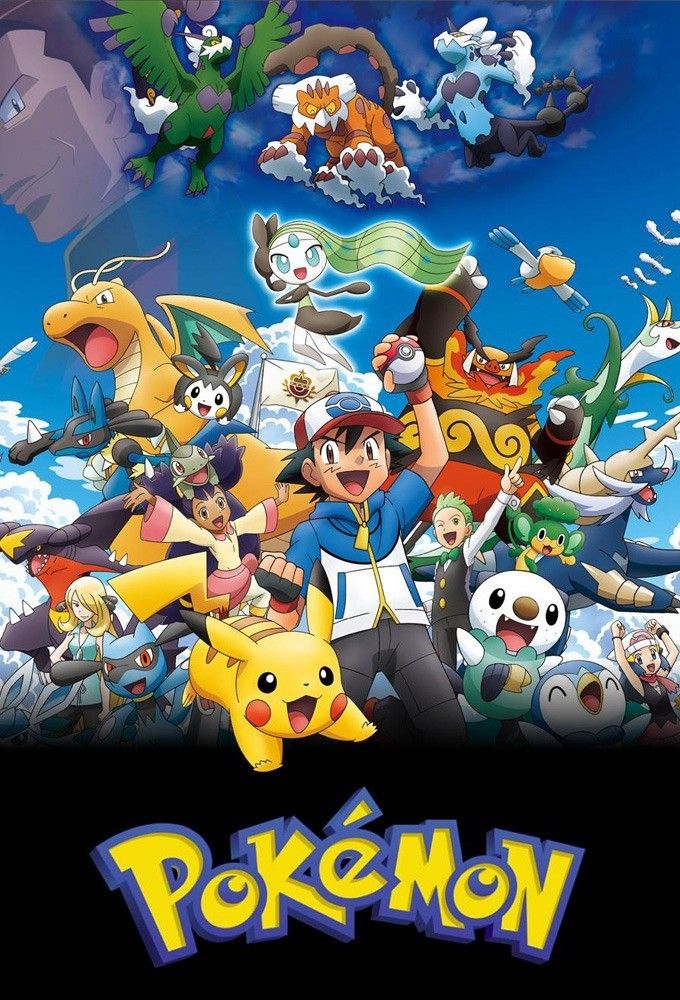
The Pokémon anime, first aired in 1997, introduced the world to Ash Ketchum and Pikachu — characters who have become cultural icons. Over a thousand episodes and numerous feature-length films later, the series continues to draw viewers with heartfelt storytelling, memorable characters, and new adventures. The anime serves as an entry point into the franchise and deepens the emotional connection fans have with their favorite Pokémon, bringing the world of the games to life.
Community, Culture, and Merchandise
Pokémon transcends language and borders. Its universal themes — friendship, perseverance, curiosity — resonate with people of all backgrounds. Global events like Pokémon World Championships, Community Days in Pokémon GO, and international anime broadcasts have helped build a vast, diverse community of fans. This cultural ubiquity means Pokémon is more than a franchise — it’s a shared experience that sparks conversations, friendships, creativity, and even academic analysis.
Part of Pokémon’s sustained popularity is its robust ecosystem. From plushies and apparel to books, art, and music, Pokémon offers more than just games. The trading card game remains one of the most popular and lucrative TCGs in the world, with competitive leagues and collectors’ markets thriving. Meanwhile, apps like Pokémon Home and Pokémon Sleep, as well as mobile titles like Pokémon GO and Pokémon Café ReMix, keep fans connected to the brand in casual, engaging ways.
A Franchise That Evolves With Us
Beyond entertainment, Pokémon teaches values. Players learn patience, critical thinking, and resource management. They experience success and failure, team building, and personal growth. For many, it’s an emotional journey, not just a mechanical one. The franchise has also been a source of comfort and escapism — a safe, vibrant world to return to during difficult times.
Pokémon’s enduring success lies in its adaptability, emotional resonance, and inclusive world. It invites everyone — regardless of age, background, or gaming experience — to embark on a journey of discovery, companionship, and self-expression.
Whether you’re revisiting your favorite region, discovering a new one, or just watching the latest anime season, Pokémon continues to remind us why we fell in love with it in the first place. In a world of fleeting trends, Pokémon is a rare constant — familiar, evolving, and always ready for the next adventure.
And as every game begins, so does this enduring legacy: Your very own Pokémon legend is about to unfold.
Note: All images copyrighted by the author.
Pokémon Official Website
https://www.pokemon.com
→ Central hub for all official Pokémon games, anime, trading card news, and events.
Netflix Pokémon Series Collection
https://www.netflix.com/title/70297439
→ Link to Netflix’s Pokémon collection, including Journeys and Horizons.